How to Simplify Your Daily Decisions
It’s easy to feel overwhelmed by the small choices piling up each day. You don’t need grand strategies-just simple habits that clear the mental clutter. This post shows you practical ways to make everyday decisions faster and with less stress, so you can focus on what truly matters to you.
The Burden of the Trivial
Every day, tiny choices stack up without you noticing. What to wear, which route to take, what to eat-each seems harmless, but together they drain your energy. You might not realize how much mental space these small decisions occupy until you pause and look.
Fatigue from the small things
You’ve likely felt worn down by noon, even when you didn’t face any big challenges. That tiredness often comes from a steady stream of minor decisions. Picking where to park, what to reply in a text, or which coffee cup to use adds up more than you think.
The cost of overthinking
You spend extra minutes debating what really doesn’t matter. Choosing the “best” brand of toothpaste or replaying a casual comment in your head steals time and focus. That habit, repeated daily, chips away at your clarity and peace.
Overthinking doesn’t just waste minutes-it shifts your mindset. When you treat every choice like it needs deep analysis, your brain starts to resist all decisions, even the easy ones. You begin to hesitate where you used to act, and that hesitation spreads into bigger parts of your day. Letting go of perfection in small calls frees up room to think clearly when it truly counts.
The Code of Daily Ritual
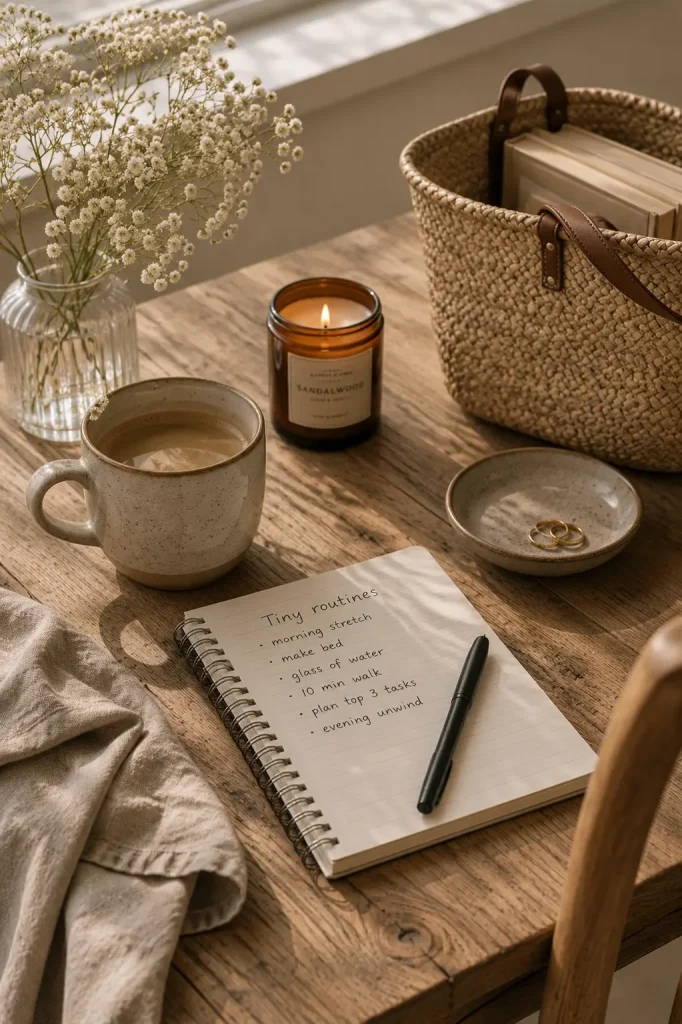
Small routines shape your day more than you realize. When you design simple, repeatable actions for key moments, you free your mind from constant choices. This isn’t about rigidity-it’s about creating a quiet structure that lets you move through your day with more ease and less friction.
Standardizing the morning
You start stronger when your morning follows a clear pattern. Lay out your clothes the night before, drink a glass of water upon waking, and stick to the same breakfast most days. These tiny choices add up, helping you begin the day with calm instead of chaos.
The ritual of the evening
Your evening routine sets the tone for tomorrow. Spend five minutes tidying up, jot down what you’re grateful for, and prepare one thing for the next day. This gentle wind-down helps your mind relax and makes mornings smoother without extra effort.
Think of your evening ritual as a quiet conversation with your future self. By putting your keys in the same spot, reviewing your calendar, or reading a few pages of a book, you create a soft landing at the end of the day. It’s not about doing more-it’s about ending well so you can begin again with clarity.
The Sharp Edge of Refusal
Saying no isn’t rude-it’s respectful. When you decline what doesn’t align with your priorities, you make space for what truly matters. A well-placed refusal protects your energy and keeps your days intentional.
Rejecting the unnecessary
You don’t need to attend every event, reply to every message, or finish every task. Let go of the extras that add noise but no value. Freeing yourself from the unnecessary clears mental clutter and sharpens focus.
Guarding your limited time
Time slips away when you’re not watching. Each yes to a small request chips away at your day. Treat your schedule like a garden-pull the weeds so the good things can grow.
Think of your time as a finite resource, not an endless well. When you say yes to one thing, you’re silently saying no to another-maybe a walk, a meal, or quiet reflection. By guarding your hours with care, you protect not just productivity, but peace. You begin to notice how even tiny interruptions stack up, draining momentum. Choosing what deserves your presence becomes a daily act of self-respect.
The Quick Strike Decision
Decisions don’t always need long debates. In fact, waiting too long can make them harder. When you face a small choice-what to eat, which task to do first-act fast. A quick decision often frees up mental space and builds confidence in your judgment. Trust yourself to choose without overthinking.
The five second rule
You’ve probably used this without realizing it. When you feel hesitation, count down from five and act before your mind talks you out of it. This tiny pause stops overanalysis and lets instinct take the lead. It works best for low-risk choices that still feel sticky.
Trusting the first instinct
Your gut often knows more than you think. That first thought-before doubt creeps in-is usually the one you’ll feel best about later. Instead of second-guessing, try honoring that immediate pull. It’s not magic; it’s your brain working efficiently.
Think of your first instinct like a reflex-your mind quickly connecting dots from past experiences without showing you the math. You’ve seen similar situations before, even if you don’t remember them clearly. When you pause too long, you override that quiet wisdom with noise. Let it speak.
The Clean Room Principle
Imagine starting each day in a space that feels light and open, where everything has its place. A clean room isn’t just about looks-it clears your mind, too. When your surroundings are simple and orderly, your choices become easier, almost automatic. You spend less time searching and more time doing.
Clearing the physical clutter
You don’t need a spotless home, just a few clear zones where distractions fade. Pick one shelf, one drawer, or your desk, and remove anything that doesn’t belong. The fewer objects competing for your attention, the calmer your thoughts become. Simplicity starts small.
Reducing the digital noise
Your phone buzzes less when you mute what doesn’t matter. Turn off non-vital notifications and close unused tabs. A quieter screen means fewer split-second choices pulling you in different directions. Peace isn’t found in silence alone-it’s in fewer decisions.
Digital clutter drains your energy without you noticing. Every app icon, email preview, and unread message tugs at your focus. Try grouping similar apps into folders, unsubscribe from newsletters you never read, and set specific times to check messages. When your devices serve you instead of distract you, your daily choices feel lighter and clearer.
The Habit of Action
You build momentum by doing, not by overthinking. Each small step trains your brain to act instead of stall. When you make action a reflex, decisions stop feeling heavy. You don’t need perfect clarity-just the habit of moving forward.
Making choices automatic
Your brain loves routines. Set simple rules like “I’ll write for 10 minutes after coffee” to turn decisions into habits. Over time, you won’t debate what to do-you’ll just do it. This frees up energy for the choices that truly matter.
Removing friction from the path
Things you do often should feel easy. Lay out your workout clothes the night before, keep a filled water bottle in the fridge, or save your go-to recipes in one folder. Less effort means you’re more likely to follow through.
Imagine how much smoother your mornings could be if your coffee maker starts automatically, or your to-do list is already open on your screen. Small prep steps taken yesterday make today’s choices effortless. You’re not avoiding effort-you’re directing it wisely. When the right action is the easiest one, you’ll naturally choose it again and again.
To Wrap up
Considering all points, you can make daily decisions simpler by narrowing choices, setting clear priorities, and trusting your instincts. Small routines and clear goals reduce mental clutter. You don’t need perfect choices-just consistent ones that fit your life. Keep it light, keep it simple, and you’ll find clarity comes naturally.