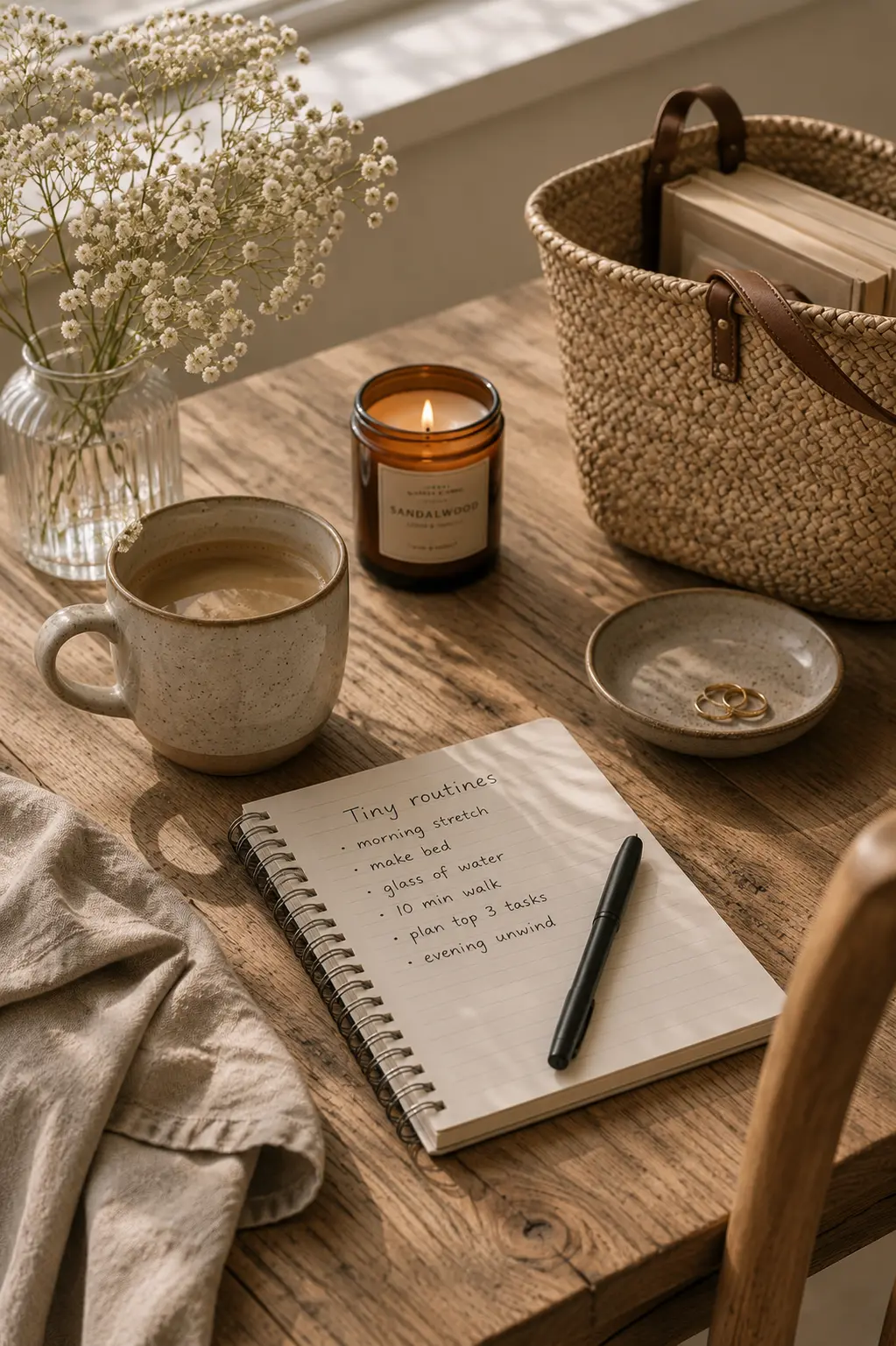
Tiny Routines That Make Life Easier
You already have the power to simplify your days with small, consistent habits. Simple actions like making your bed, drinking water first thing, or putting things back right away add up. These tiny routines take little effort but bring real clarity, calm, and control to your everyday life.
The Physics of Small Starts
You’ve probably noticed how hard it is to begin something when it feels too big. That’s why tiny actions work so well-they bypass resistance before your brain can argue. Starting small turns effort into motion, and motion builds its own momentum. You don’t need a grand plan, just a single step.
Implementing the Two Minute Rule
You can beat procrastination by promising yourself to work on a task for just two minutes. Open the document, write one sentence, or put on your running shoes. Once you start, you’ll often keep going because the hardest part was beginning.
Reducing Friction in Entry Points
You make it easier to act when you remove small barriers. Lay out your workout clothes the night before or keep your journal on the nightstand. The less effort it takes to begin, the more likely you are to follow through without thinking twice.
Think about the things you keep putting off. Chances are, there’s a tiny obstacle in the way-your running shoes are in the closet, or your water bottle is empty. By preparing your environment ahead of time, you create a smoother path to action. It’s not about willpower; it’s about making the right choice the easiest one.
Environmental Optimization
Small tweaks to your surroundings can quietly improve your day. You don’t need a full redesign-just a few intentional choices. Positioning everyday items within easy reach, adjusting lighting for clarity, or adding a plant for calm can shift how you move through your space. When your environment works with you, tasks feel lighter and focus comes easier.
The One Touch Method for Clutter
You pick something up only once. Instead of setting mail on the counter or tossing shoes in the hallway, take them straight to their home. This tiny rule stops little items from piling up. It’s not about perfection-it’s about momentum. Each time you put something away immediately, you save future-you from cleanup stress.
Designing a Functional Launchpad
Your launchpad is that spot by the door where keys, wallet, and bag live. Keep it simple and intentional. Everything you need before stepping outside has a designated place. No guesswork, no last-minute searches. This small zone becomes your daily ally when it’s set up with your routine in mind.
Think of your launchpad as a personal pit stop. Place a small tray for keys, a hook for your bag, and a shelf for shoes. If you wear glasses, leave them in the same spot each night. Over time, this consistency turns chaos into calm. You’ll walk out the door feeling prepared, not frantic.
Cognitive Load Management
Small shifts in how you handle mental tasks can free up energy for what truly matters. By simplifying recurring choices and clearing mental clutter, you create space to focus without constant effort.
Externalizing Memory via Brain Dumps
You don’t need to keep everything in your head. Try writing down every thought, task, or idea that’s weighing on your mind. This simple habit clears mental space and helps you see what’s worth acting on.
Automating Low Stakes Decisions
Wearing the same outfit style each day might sound extreme, but it removes daily friction. Choosing once-like packing the same lunch or following a set routine-saves willpower for decisions that matter.
Think about how often you decide what to eat, wear, or do first in the morning. These small choices add up. When you lock in the easy ones-like a go-to breakfast or a fixed workout time-you protect your focus. It’s not about rigidity; it’s about giving yourself fewer things to manage so you can respond to the day with more ease.
Morning Momentum Systems
You start your day before the sun does, and that quiet time is yours to shape. A simple sequence-water, stretch, one task-sets the tone without pressure. This isn’t about perfection; it’s about presence. When your first moves feel light and intentional, the rest of the day follows.
Strategic Hydration Rituals
Water waits for you by the bed each night, ready at first light. Sipping it slowly wakes your body gently, kickstarting your metabolism without a jolt. You don’t need a gallon-just enough to signal that today is already moving forward with you.
Identifying the Essential Priority
One task stands out when you pause to ask, “What would make today feel complete?” It’s not the loudest demand, but the one that quietly moves you forward. You write it down before checking messages, so your focus stays yours.
That one task often hides in plain sight-maybe it’s a call you’ve been avoiding or a draft you keep postponing. When you name it early, you stop letting it drain your energy in the background. Choosing it with honesty gives you permission to say no to everything else-just for now.
Digital Hygiene Protocols
You already know clutter weighs you down-digital clutter is no different. Taking five minutes each evening to clear downloads, close unused tabs, and sort inbox folders keeps your devices working smoothly and your mind a little lighter the next morning.
Batching Communication Windows
Try checking messages just three times a day-once in the morning, after lunch, and in the early evening. You’ll respond more thoughtfully and protect your focus instead of reacting all day long.
Silencing Non Essential Alerts
Your phone buzzes again, but it’s just another promo or app update. Turn off notifications for anything that doesn’t need your immediate attention. You’ll notice how much calmer your screen time feels.
Silencing non-imperative alerts means deciding what truly deserves your attention. Social media likes, newsletter drops, or game reminders can wait. When only people and priorities can ping you, your focus stays where you want it-on what matters right now.
The Architecture of Habit Stacking
You build stronger habits not by overhauling your day, but by attaching new behaviors to ones you already do without thinking. This simple structure turns routine moments into opportunities for growth, making change feel natural instead of forced.
Identifying Reliable Anchor Behaviors
Your morning coffee, brushing your teeth, or unlocking your front door-these are anchors. Pick actions you do daily with little effort, so your new habit has a steady foundation to grow on.
Sequencing New Actions for Success
After you pour your morning coffee, take one minute to write down your top priority. That small sequence links a new action to an existing one, making it easier to remember and do consistently.
Think about the flow of your day and place new habits right after reliable triggers. If you always check your phone when you sit on the bus, try reading a page of a book right after unlocking it. The key is timing-your new behavior should follow immediately, so it feels like part of the same motion.
Over time, your brain starts expecting the next step, almost like muscle memory. Keep the new action small at first, so it doesn’t feel like a hurdle. Once it sticks, you can gently expand it. This method works because it respects how your brain already works, not fights against it.
Summing up
With these considerations, tiny routines that make life easier become simple habits you actually enjoy. You don’t need big changes-just small, consistent actions that quietly improve your days. You’ll find more calm, save time, and feel more in control, all without effort.